

Brno through Czech eyes 2025
Brno has long been one of the most important places on the map of the Czech Republic, a city that combines tradition with modernity and that many people associate with energy, openness and culture. Yet ask Czechs for the first image that comes to mind and the answer is almost always the same: the vast exhibition grounds of Brno Trade Fairs (BVV). The latest survey, "The image of Brno in the eyes of Czech residents", confirms that BVV is still the city's best-known symbol and a potential driver of its future development.
A city most Czechs know
The fifth edition of this national opinion survey, carried out by Focus – Marketing & Social Research between 28 February and 19 March 2025, covered 1,033 adult residents of the Czech Republic. The sample was selected by gender, age, education, size of municipality and region of residence so that the results represent the whole population.
The structure of the sample captures a range of views: 49% were men and 51% women. The largest age group was people over 65 (25%), but the 35–44 and 45–54 age groups were also well represented (19% each). One in three respondents had completed secondary education with a school-leaving exam (36%), and one in five had a university degree (20%).
The results show that more than half of Czechs (56%) have visited Brno at least once, and almost a fifth (18%) have a direct connection with the city: they have lived or studied there or commute there regularly. One in four respondents knows Brno only "by hearsay", a share unchanged since 2022.
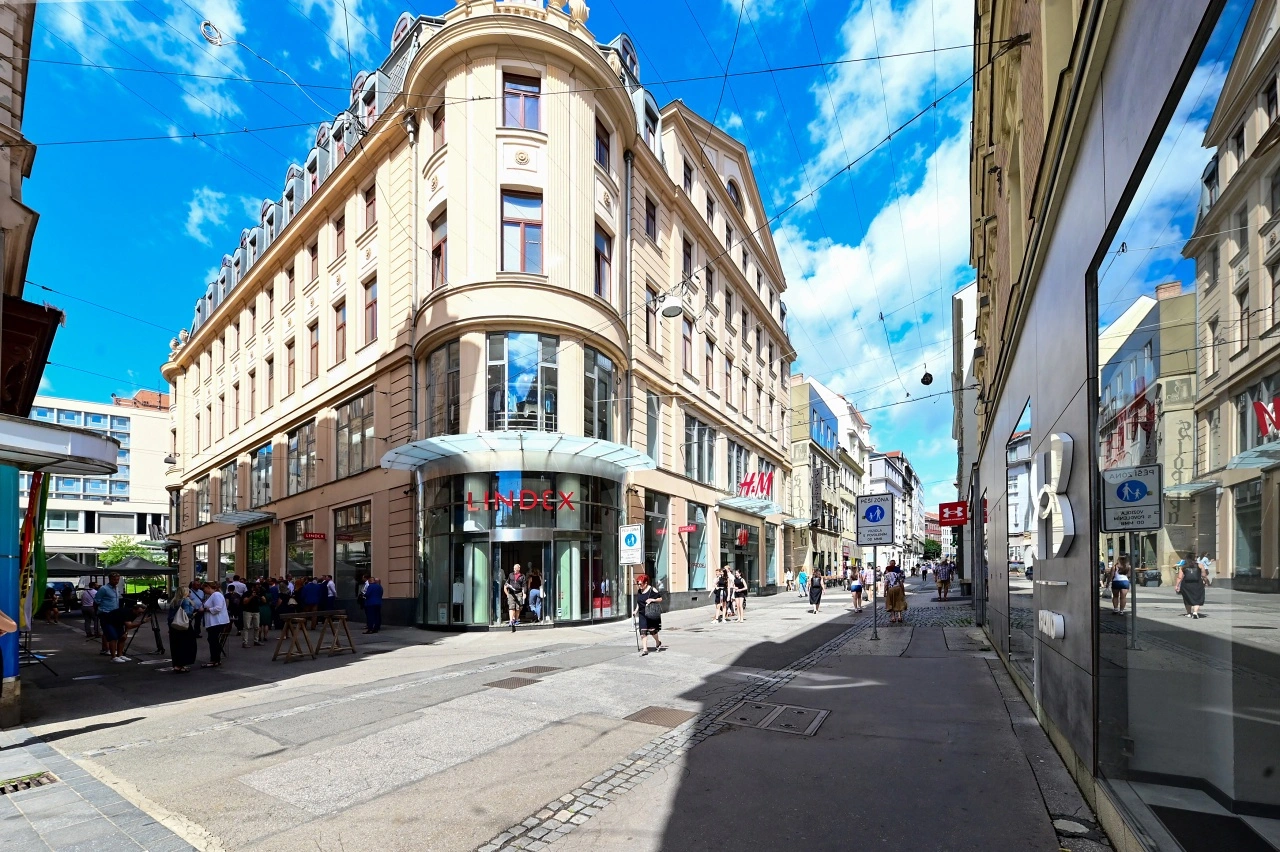
BVV: a landmark recognised across the country
Among people's spontaneous associations with Brno, the trade fairs (Výstaviště, veletrhy, BVV) clearly come first. The Exhibition Centre in the south-west of the city is more than an event venue: it is where business, science and culture meet. For decades it has hosted the most important trade fairs in the Czech Republic, both national and international. The first exhibition pavilion opened in 1928.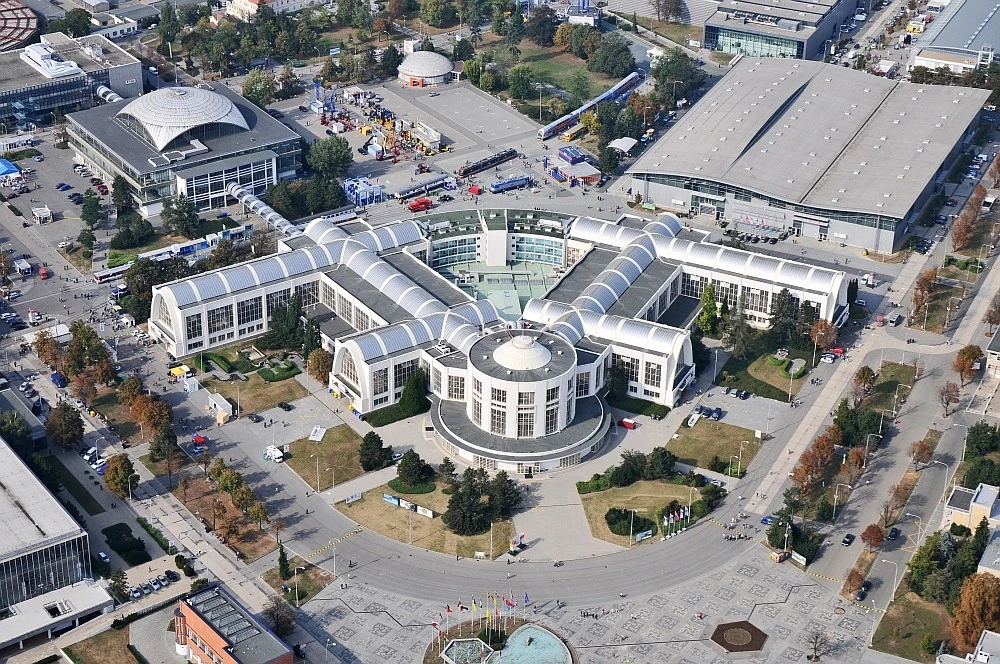
BVV is exceptionally well known: it is mentioned not only by people who have visited Brno but also by those who have never been there. In the Czech mind, the Brno trade fairs are one of the city's calling cards, on a par with landmarks such as the Cathedral of St Peter and St Paul and Špilberk Castle.
Next in the ranking of associations come historic monuments (památky), the Brno reservoir (brněnská přehrada), Starobrno beer, universities and colleges, the Masaryk racing circuit (Masarykův okruh) and the local slang, brněnský hantec. In recent years modern architecture has also become better known, especially the modernist Villa Tugendhat. The trade fairs have not lost their position, though: they remain the symbol that ties the city's different faces together.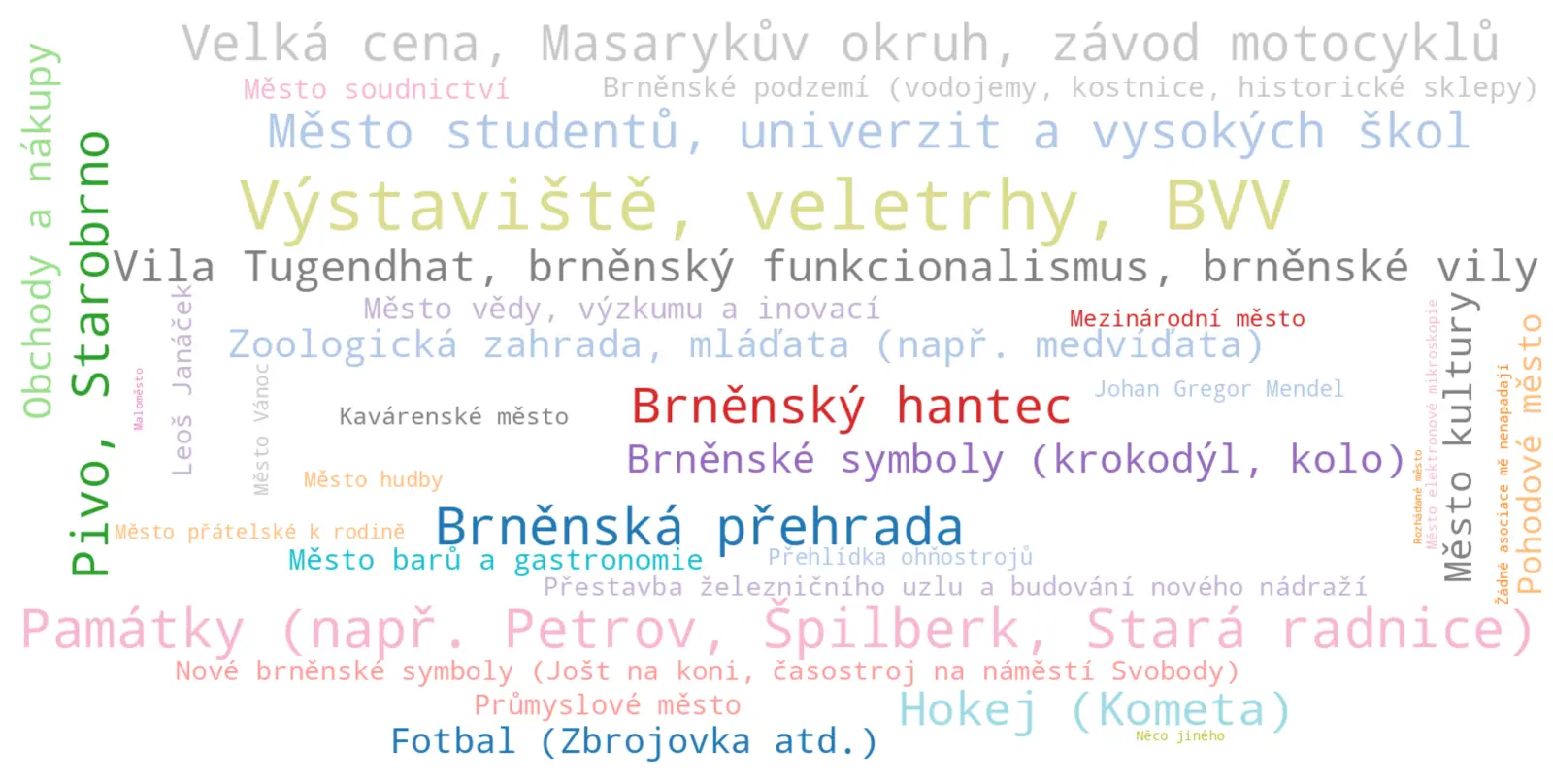
Liking the city, slightly less
44% of Czechs say they like Brno, two percentage points fewer than in 2022. 53% are neutral, and only 3% have a negative opinion. The city is most popular among young adults (18–24), people with a university degree and residents of the Jihovýchod and Střední Morava regions (which include Vysočina and the South Moravian, Olomouc and Zlín regions).
With its scale and the variety of events it hosts, BVV is one of the main reasons people like the city. For young people it is above all a place for concerts, festivals and technology fairs. For businesspeople it is an important platform for making contacts. For residents it is part of the everyday landscape, and its presence confirms Brno's importance on the map of the Czech Republic and Central Europe.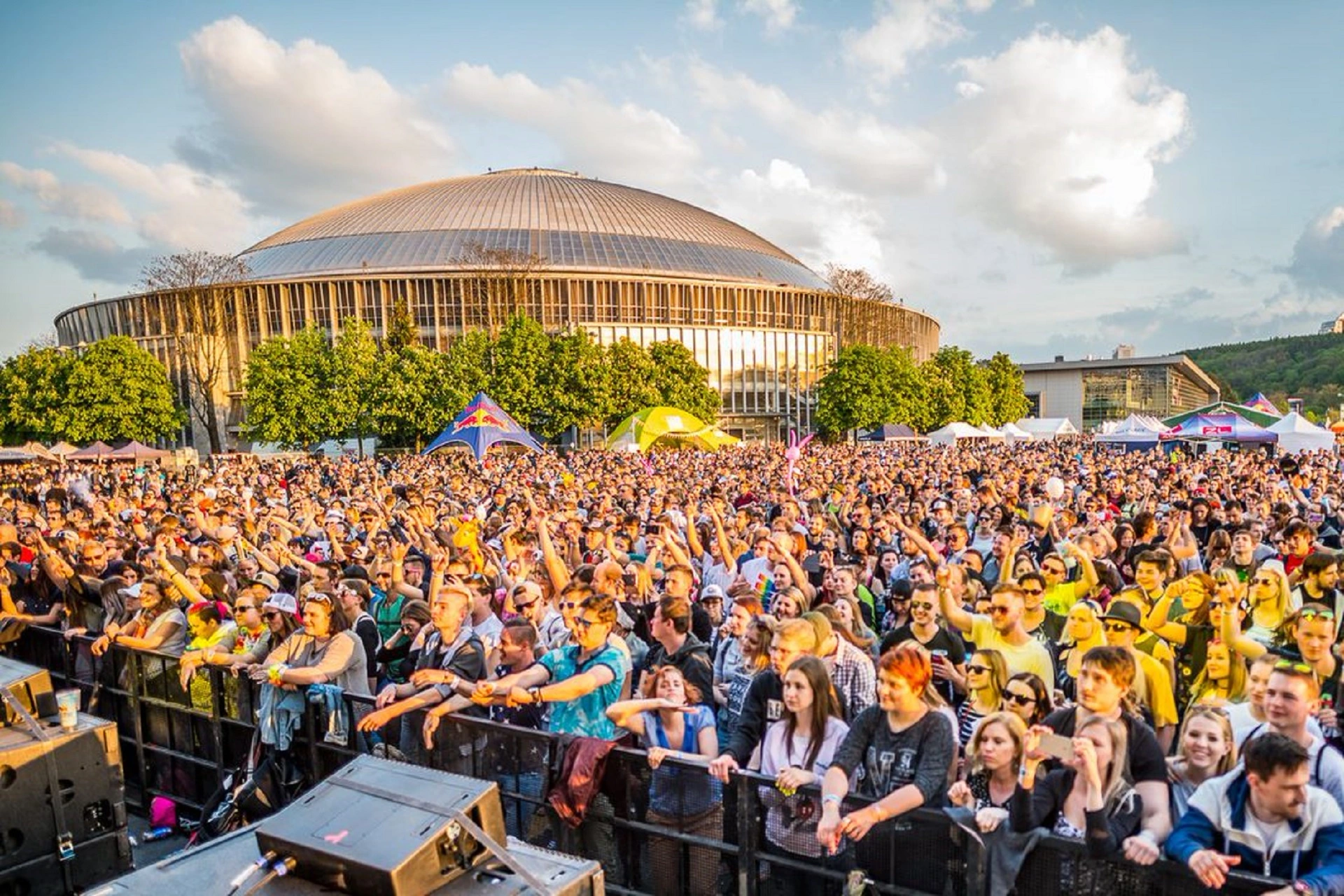
The city's strengths and weaknesses
Of the 40 features of Brno that were rated, the highest scores went to universities and colleges (85%), shopping (82%), historic monuments (80%), cultural events (78%) and good rail connections (79%). These are areas where Brno has held a strong position for years.
The lowest scores went to getting around by car and the availability of housing, both at 38%. These results are not only low but also a problem, because they affect residents' everyday lives. Since 2022, ratings have also fallen for the city's modernity, friendliness to older people and attractiveness for business.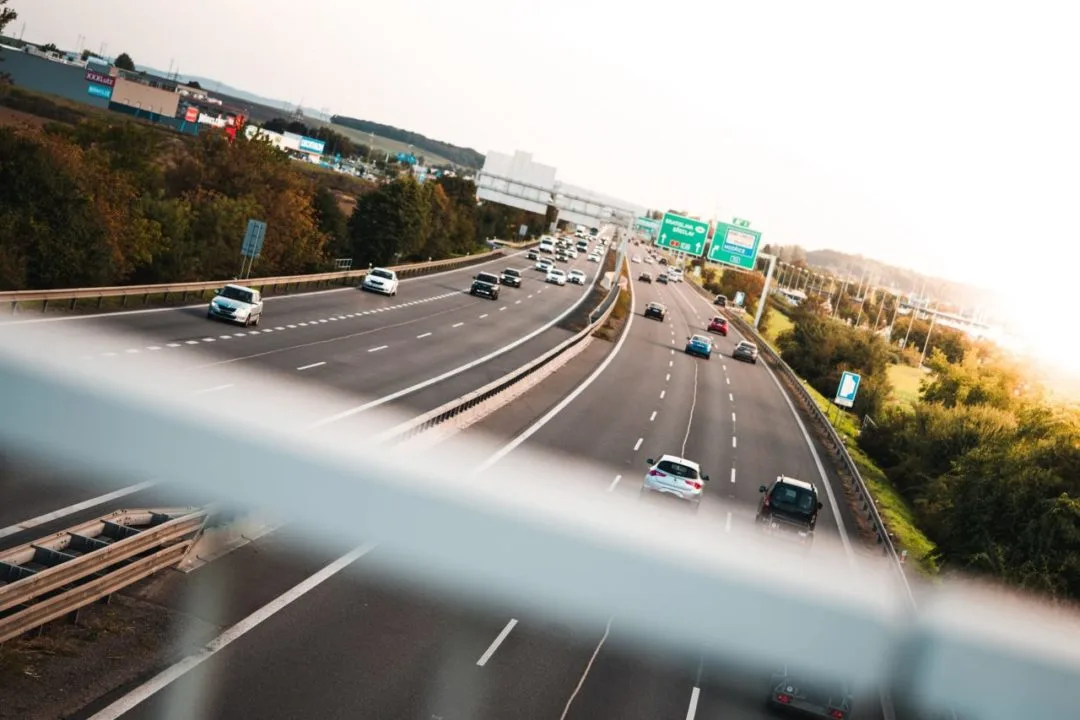
Four dimensions of the city's image
The researchers identified four main areas that make up Brno's image in the eyes of Czechs:
- Social appeal: education, culture, tourism and business. This is where Brno does best, and BVV is a large part of that advantage.
- Accessibility: rated highly for public transport, average for road transport.
- Facilities for residents: healthcare, housing, conditions for families and older people. Below average.
- A green and friendly city: cleanliness, greenery, safety and the environment. An area that needs improvement.
BVV as a tool for change
The data show that people who visit Brno rate it more positively on every dimension. This is an important pointer for the city authorities: attracting visitors can improve the city's image. As the largest event space in the Czech Republic, BVV can play a central part in this.
Large trade fairs and exhibitions bring not only tourists but also more economic activity, better infrastructure and greater awareness of the city at home and abroad. In this sense BVV is both a symbol and a tool with a real influence on the regional economy.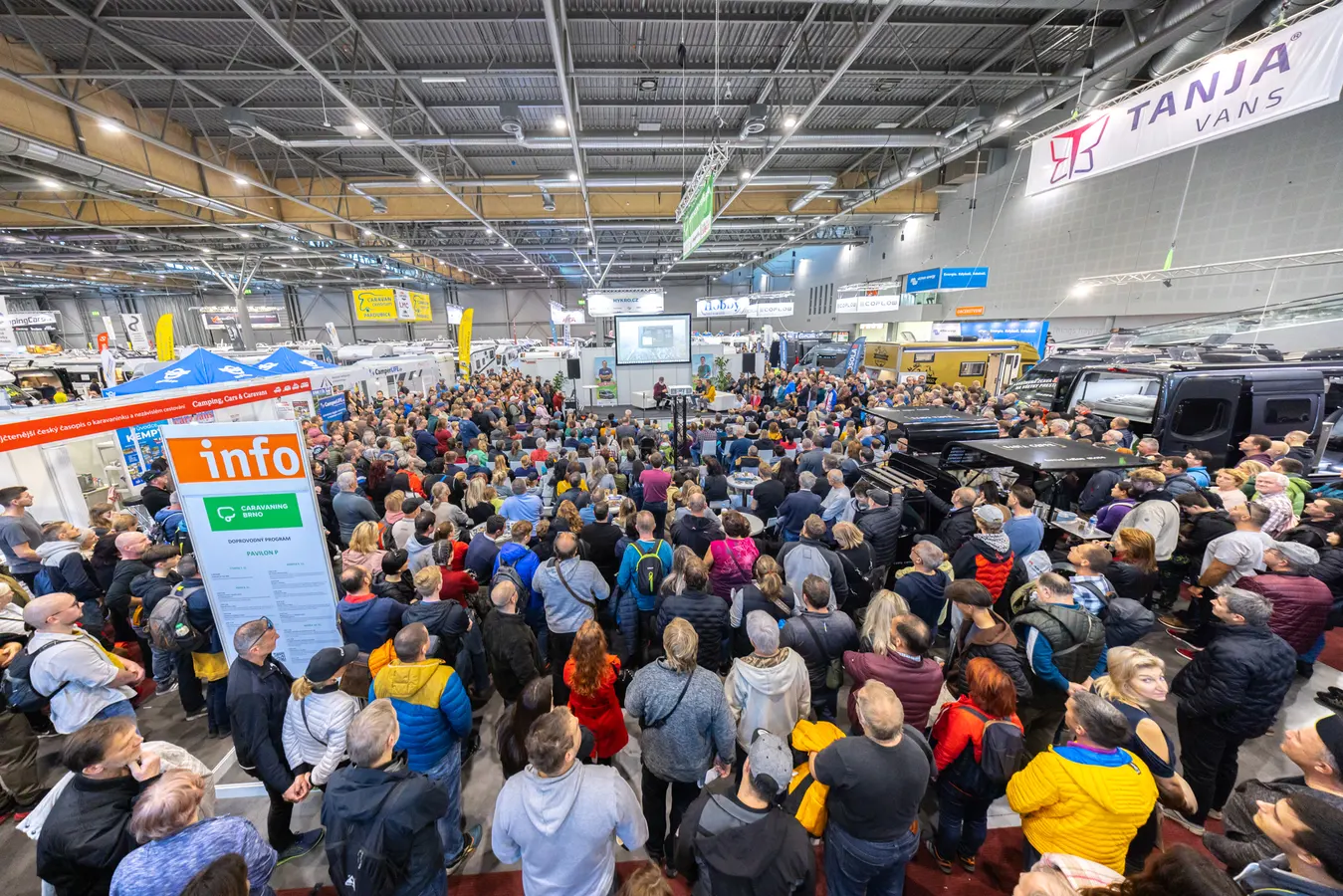
Changes compared with previous years
Comparison with earlier editions of the survey (2009, 2013, 2017, 2022) shows that the way Czechs see Brno changes slowly. Positive associations such as education, culture and public transport remain strong. Modern architecture is becoming better known, while the reservoir, Starobrno beer and the "city of culture" label matter less.
Against this background BVV stands out for its stability: since the first survey it has stayed at the very top of the associations, whatever the trends in other areas. This shows that the symbol is unusually resistant to changing fashions and preferences.
A future built on identity
In 2025 Brno faces the challenge of reconciling tradition with the growing expectations of residents and visitors. Goodwill is a solid foundation, but it does not guarantee further development. The city needs investment in road transport, housing and quality of life.
As the largest and best-known exhibition complex in the country, BVV has the potential to become the backbone of a development strategy. It reminds people of Brno's industrial and trading traditions and can also be a platform for its modern, open future.
Source: www.data.brno.cz
Coming up in Brno:

Go to the portal

Go to the BVV website
