

The 66th International Engineering Fair: Brno talks about the future of industry
For four days in October, Brno was again a place where you could see the future of industry almost within arm's reach. Engineers, CEOs, ministers and even heads of state met in the halls of the Exhibition Centre, all trying to answer the same question: where is European industry heading?
Industry at a turning point
Traditional industry in Central Europe has reached a point where it has to redefine itself. That was the backdrop to this year's International Engineering Fair in Brno, the largest event of its kind in the region.
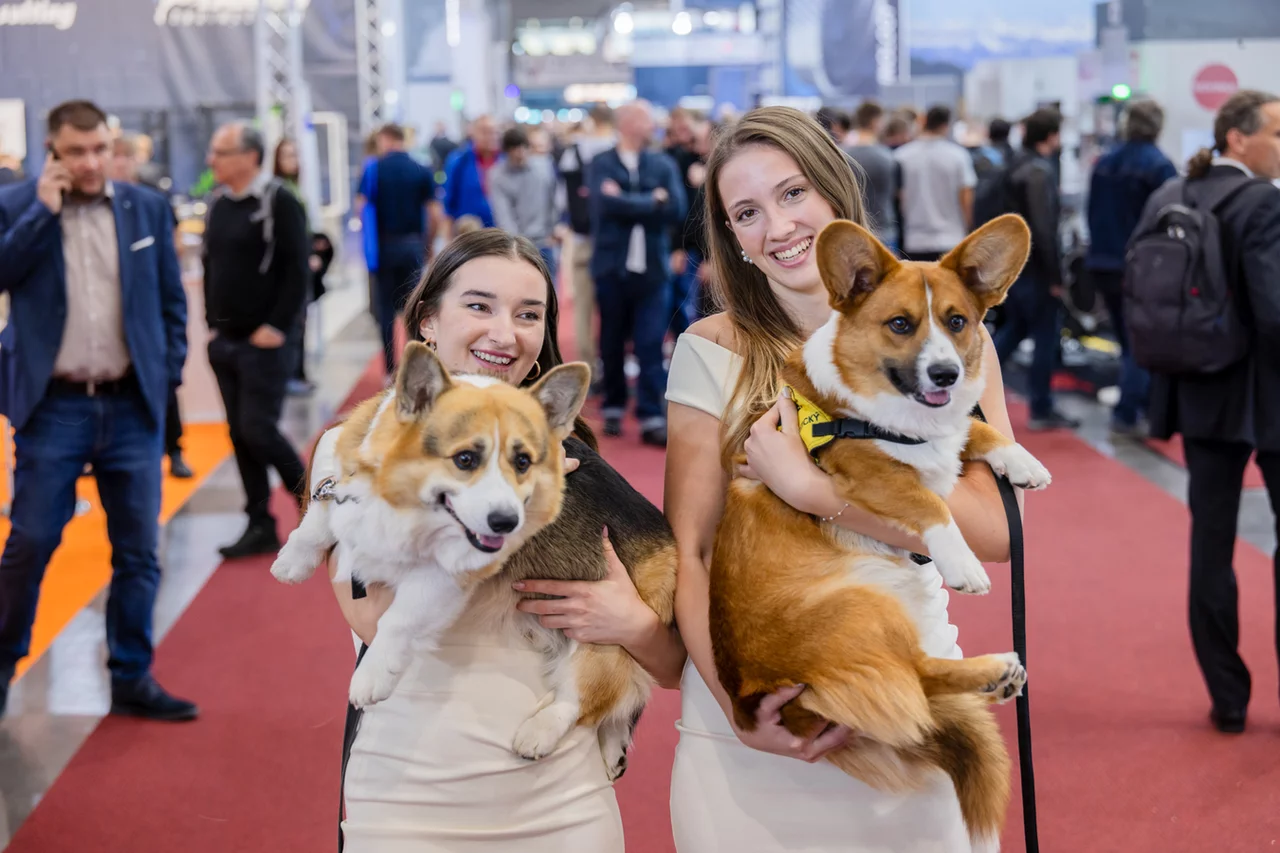
More than 55,000 visitors made their way between the robots, manipulators and 3D printers, and there were 1,356 exhibitors. Yet steel and silicon were not what mattered most here.
"Technology is only a tool. We ourselves are the driving force of change," Jan Kubata, CEO of Veletrhy Brno, a.s., reminded the audience as he opened the event.
At times this year's MSV felt like a big debate on how to rebuild the economy in a world that has to decarbonise energy, automate production and learn to use artificial intelligence all at once, before someone else does it faster.
In Brno, politics takes a back seat
The fair took place in the first week of post-election coalition building. Even so, the pavilions had none of the tension of the television studios.
"For years MSV has stood above day-to-day politics. This is about the country's future," said Kubata.
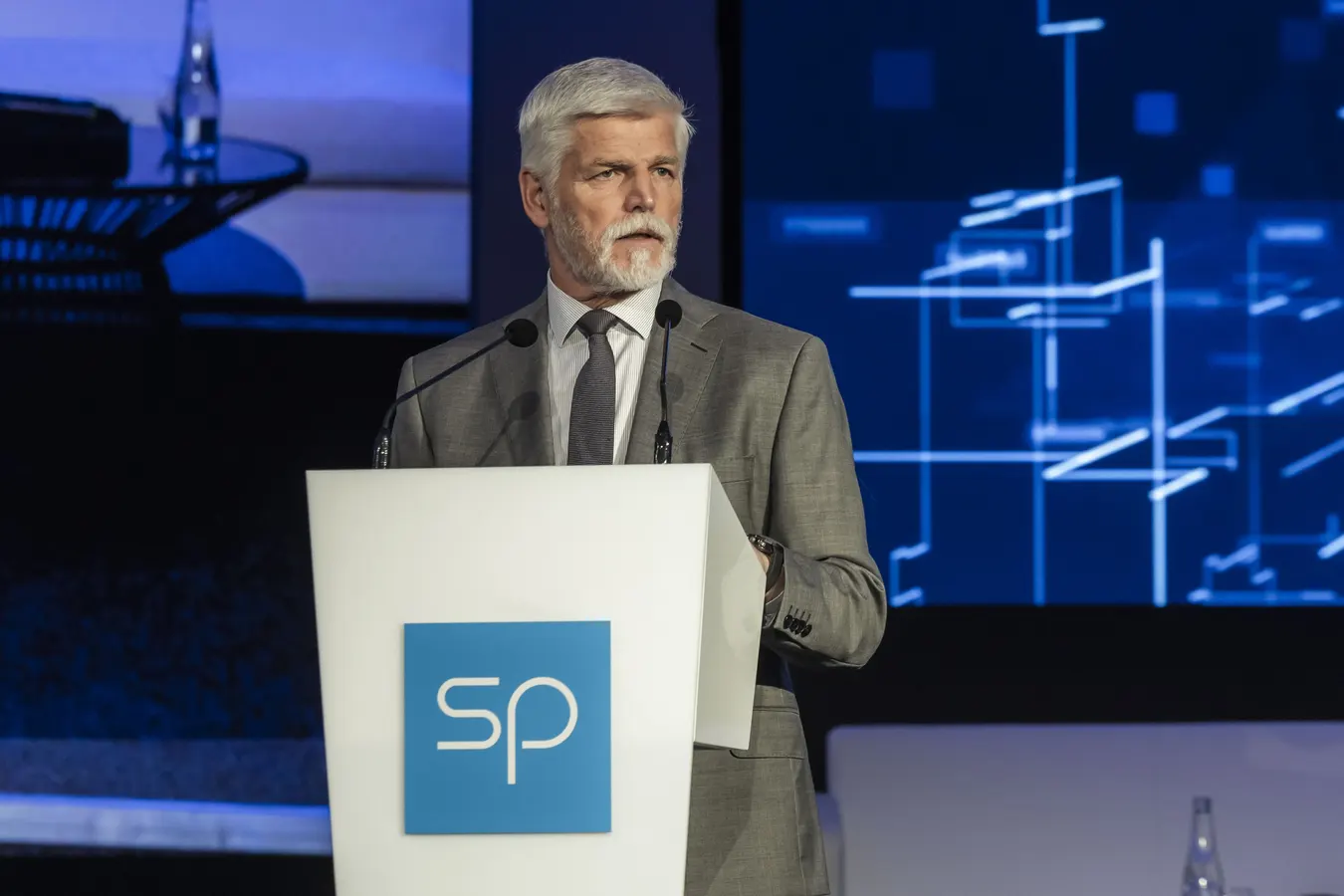
It is indeed rare to find President Petr Pavel, ministers of the outgoing government and candidates for the new one, the heads of the largest Czech companies and representatives of industry associations all in one place. A photo of the people at MSV on the first day would look like a cross between an economic summit and a diplomatic reception.
Energy at the heart of the debate
This year energy was one of the hottest topics. The newly founded Energy Union of the Czech Republic held its first forum, bringing together the heads of ČEZ, EPH, innogy, Veolia and E.ON as well as representatives of steelworks, materials producers and technology companies.
It sounded like one big attempt to answer the question of how to carry out the energy transition without shutting down factories and dragging the economy down. Some spoke about low emissions, others about security of supply, still others about the pace of change. But everyone agreed on one thing: without stable energy sources, industry cannot move forward.
40 countries, one goal: to meet in Brno
MSV is still a truly international event. Representatives of 40 countries came to Brno, and ten of them had official national stands.
The delegation from the state of Georgia attracted a lot of attention: the Americans brought their own networking stand and experts on entering the US market. South Korea sent a group of 15 buyers, and their visit ended with the signing of a memorandum between the Korea Importers Association (KOIMA) and Veletrhy Brno.
CzechTrade, which organised business meetings under the Meeting Point banner, had its hands full this year.
At the centre of the fair: the Czech National Exhibition
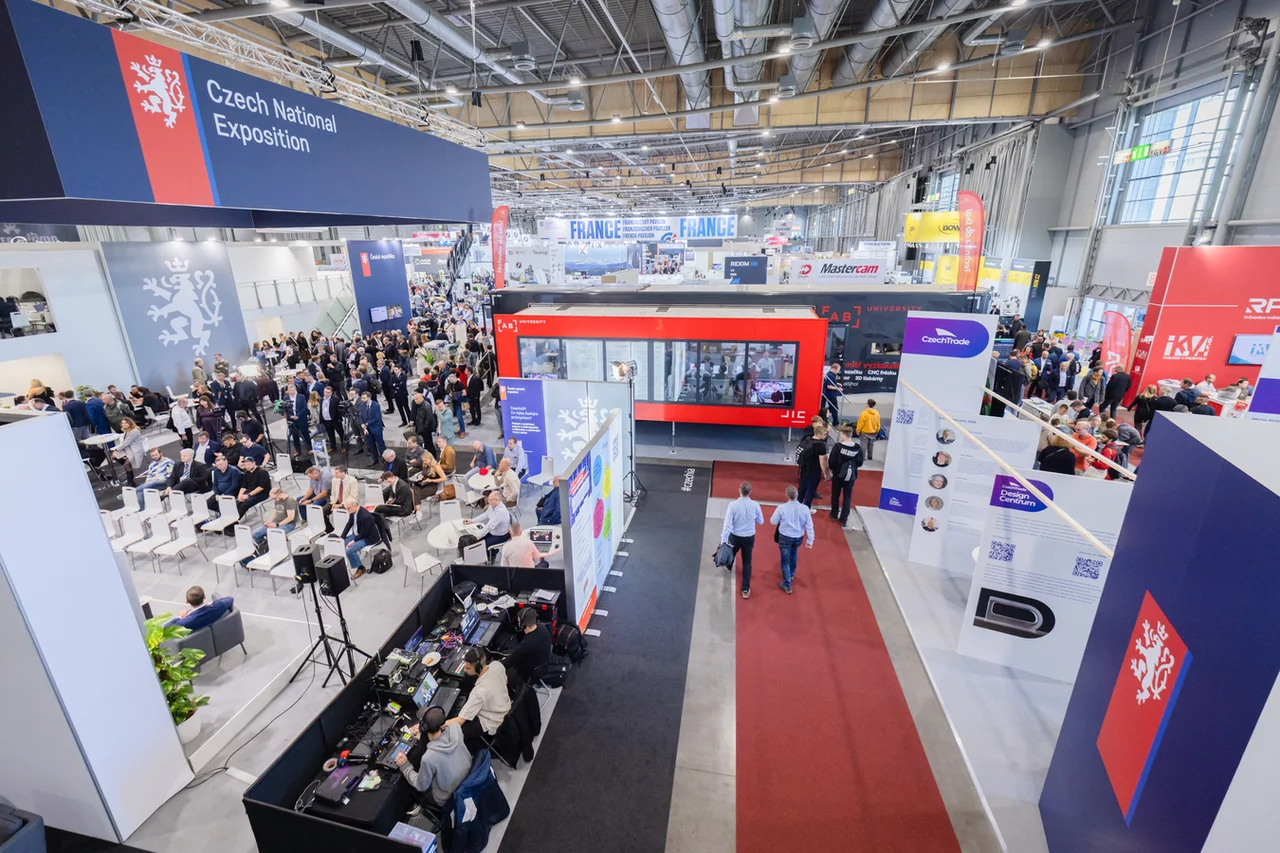
As usual, one of the most important parts of MSV was the Czech National Exhibition. This year, for the first time, it presented a new, unified visual identity for state institutions.
Visitors could follow the whole export process, from the idea and certification to entering foreign markets. The technologies on show included projects related to 5G, hydrogen and nuclear energy, including a model of the Dukovany power plant expansion. Alongside it ran the Contact Ukraine programme, which connected Czech and Ukrainian companies.
A Polish presence in Brno that was hard to miss
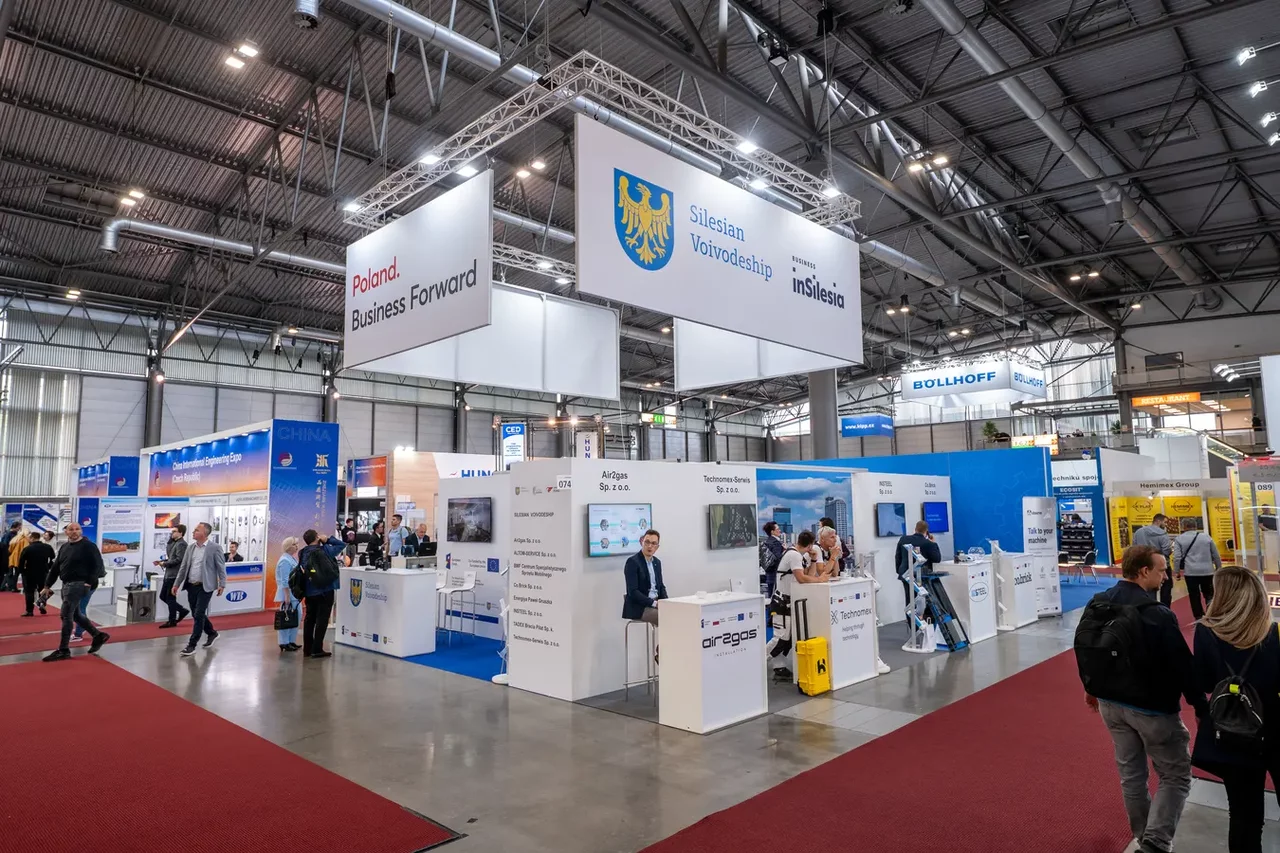
Although MSV is above all a celebration of Czech industry, this year it was clear that Polish exhibitors are again confidently claiming their space at one of the most important technology events in Central Europe. The catalogue listed 19 companies from different parts of Poland, from Silesia to Pomerania. They formed a mosaic of individual stands rather than a single national presence, but they were clearly visible.
Once again the strongest signal came from the Silesian Voivodeship. Pavilion V had a 90 m² stand designed for eight companies from the region. Among all the technological curiosities, this space worked a bit like a landmark: visible from afar, large and open, designed so that it was hard to walk past without stopping. Silesia showed itself as a region that not only makes things but also knows how to present itself, which at a trade fair can matter as much as the offer itself.
Bäcker Systems from Lubliniec, a maker of specialised control components, confirmed its established place at MSV. Every year its stand looks mature and impressive, and Bäcker, although it works in a niche, is becoming a recognisable point on the fair map. The same goes for PAFANA from Pabianice, which came to Brno for the third time. Its stand in Pavilion F drew mainly professionals looking for reliable cutting tools, but there were also visitors who picked up the latest drills and inserts to check the quality of their workmanship.
In the corridors people increasingly said that this is only the beginning. In 2026 Polish participation could be much larger, because MSV has been added to the list of events covered by the "Brand promotion of innovative SMEs" grant programme. For many micro, small and medium-sized companies this is a chance to significantly increase their presence abroad: to present their offer, build their image and establish the relationships they need to grow exports.
Robots, 3D printing and artificial intelligence: Industry 4.0 in practice
This year the organisers focused above all on interactivity. Digital Factory 2.0 was no longer just a presentation but more of a workshop showing how artificial intelligence is really changing the production line.
Next to it were robots from the ROBOTY 2025 exhibition, and a few halls away was 3D EXPO, where 3D printers have stopped being gadgets and become professional industrial tools.
DefenCEO: the defence industry steps out of the shadows
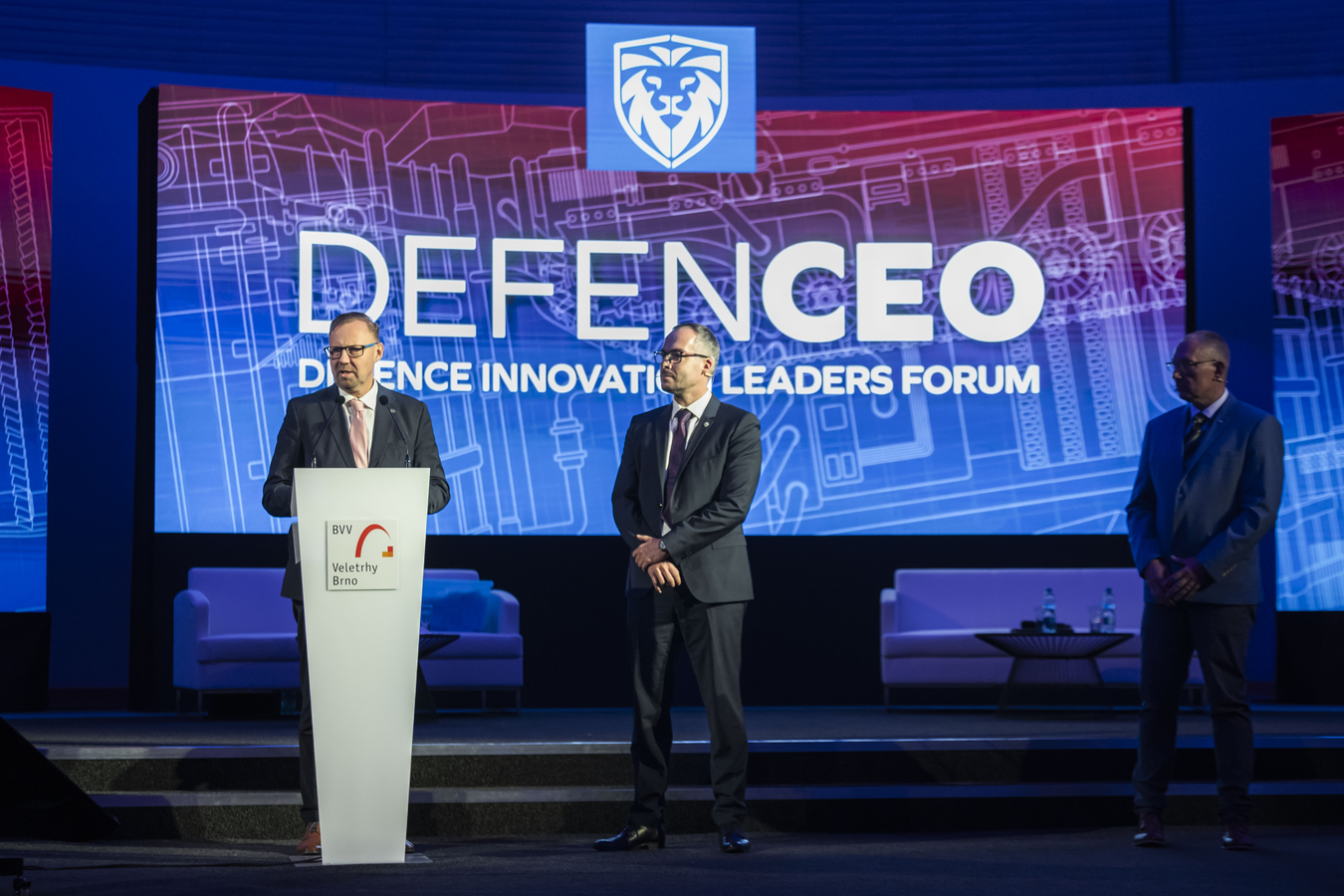
One of the busiest parts of the programme was the DefenCEO management summit. The Rotunda was filled almost to the last seat: 478 participants, 74% of them CEOs and directors.
After years of uncertainty, the defence industry is once again becoming one of the pillars of Czech industry. In Brno this was especially noticeable.
Awards, premieres and honours
Although MSV is famous for business talks, there were also more ceremonial moments.
- The CEO's Award was presented for the first time. It went to Thomas Alijew of Alfleth Engineering AG for taking part in 50 consecutive editions of the fair.
- A lifetime achievement award went to Prof. František Pochylý, designer of a vortex turbine that supports the development of renewable energy.
- The Manager of the Year awards were also presented.
- A young tradition, the Industrial Design Awards, showed once more that Czech industry can be attractive as well as effective. HOUFEK won with its MAXX 5 grinder.
A fair where you see more
For years MSV in Brno has been a barometer of Central European industry. This time, though, it was something more: a kind of shared reflection on how to keep producing, investing and developing technology in a world full of tension and uncertainty.
If this year's edition shows the direction, one thing is certain: the future of industry in this part of Europe will be shaped not only by large companies and budgets but above all by the people who still walk the crowded fair looking for new ideas on how to do things better.
And the next chance for such a meeting is coming soon. The 67th MSV International Engineering Fair will take place in Brno on 6–9 October 2026, and there are many signs that it will be an even more important, more prominent and more needed event.
Current information about MSV 2026 is available at: www.msvbrno.cz or targi.brno.pl/targi/msv-2026.
Grant programme: Brand promotion of innovative SMEs, PARP SME Development Centre
Photo: Veletrhy Brno, a.s.
Coming up in Brno:


Go to the portal

Go to the BVV website
